
On-Grid vs Off-Grid vs Hybrid Solar Systems — Which One Do You Need?
Compare on-grid, off-grid and hybrid solar systems on cost, backup during power cuts, batteries and subsidy eligibility — and find which suits your home.
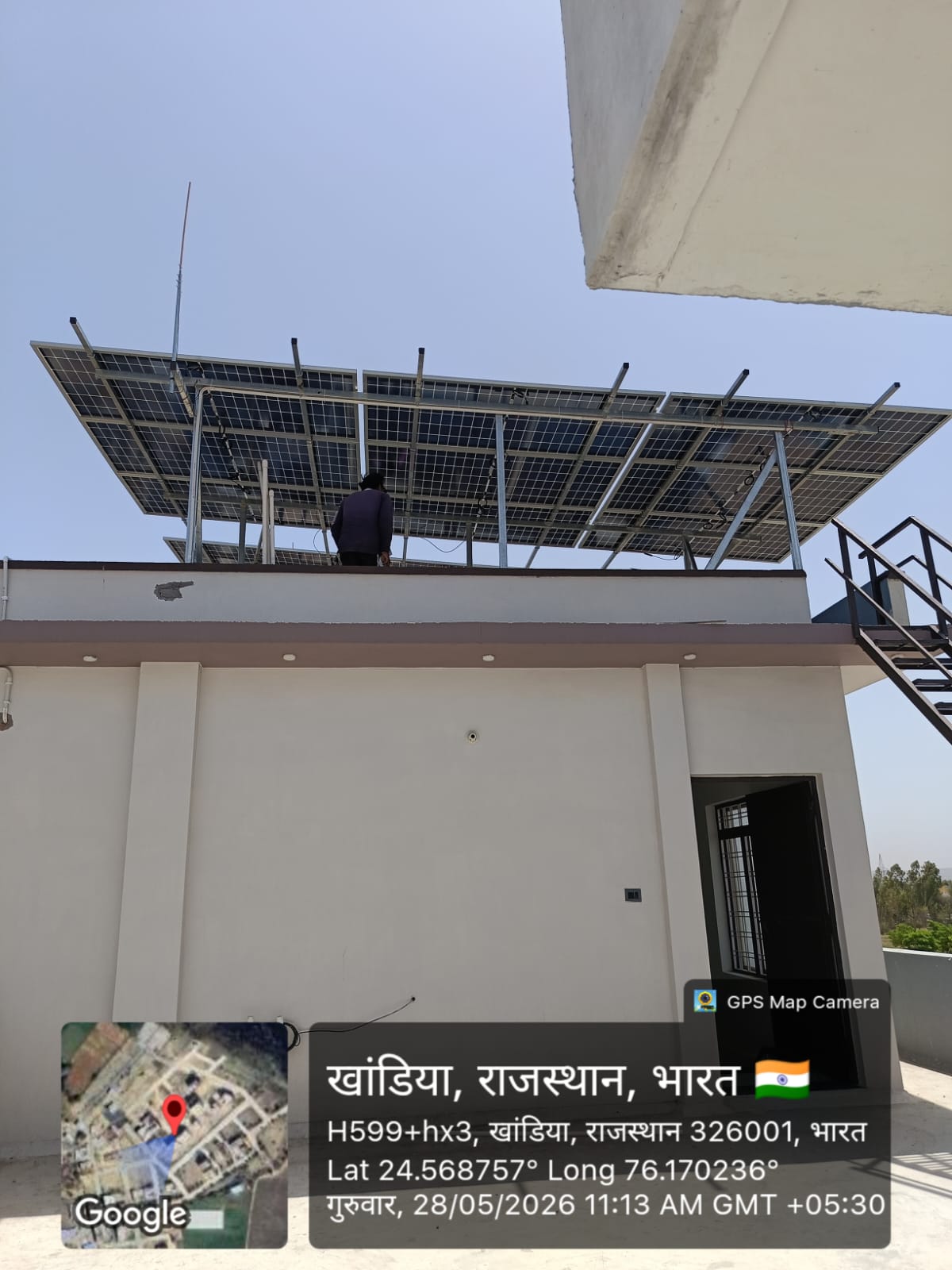
Every rooftop solar quote starts with one decision: on-grid, off-grid or hybrid. The choice sets your budget, whether you have power during outages, and whether you can claim the government subsidy. This guide explains each option and gives you a simple way to decide.
Quick comparison
| On-grid | Off-grid | Hybrid | |
|---|---|---|---|
| Connected to the grid | Yes | No | Yes |
| Batteries | No | Yes | Yes |
| Power during outages | No | Yes | Yes |
| Net metering | Yes | No | Yes |
| Relative cost | Lowest | Highest | High |
| PM Surya Ghar subsidy | Eligible | Not eligible | Solar portion eligible* |
*The subsidy applies to grid-connected rooftop solar capacity. Battery costs are not subsidised. Confirm current rules for your specific setup before you buy.
On-grid solar: the most common choice
An on-grid (grid-tied) system connects directly to your electricity supply. Your home uses solar power first, exports surplus through a net meter, and draws from the grid at night.
Why most homes choose it:
- Lowest upfront cost, because there are no batteries.
- Almost no maintenance beyond cleaning panels.
- Net metering credits the units you export, so nothing goes to waste.
- Eligible for the full PM Surya Ghar subsidy.
The catch: an on-grid system shuts down when the grid fails. This is a safety requirement called anti-islanding — it stops your panels from sending power into lines that technicians may be repairing. If outages are rare where you live, this rarely matters.
Off-grid solar: fully independent
An off-grid system has no connection to the grid. Panels charge a battery bank during the day, and your home runs from those batteries at night.
Where it makes sense:
- Farmhouses, remote sites or new buildings where a grid connection is unavailable or very expensive.
- Locations with long, unpredictable outages where backup matters more than cost.
The trade-offs:
- Batteries add a large share of the cost and need replacement — lead-acid every few years, lithium-ion after roughly 10–15 years.
- The system must be sized for your worst days, like several cloudy days in a row, so it is usually oversized and expensive.
- Surplus energy in sunny months is wasted once batteries are full, since there is no grid to export to.
- Not eligible for the PM Surya Ghar residential subsidy.
Hybrid solar: grid plus backup
A hybrid system combines both. It stays connected to the grid with net metering, and adds a battery that keeps essential loads running during a power cut.
Why people choose hybrid:
- Backup for lights, fans, a fridge, Wi-Fi or a small pump during outages.
- You can still export surplus and earn net metering credit.
- Many hybrid inverters let you add a battery later, so you can start without one.
The trade-offs:
- A hybrid inverter and battery cost noticeably more than an on-grid setup.
- Battery capacity limits how long you are covered, so you choose which circuits to back up.
Which one do you need?
Use this simple guide:
- Reliable grid, want lowest cost and fastest payback? Choose on-grid.
- Frequent or long power cuts, and a budget for batteries? Choose hybrid.
- No grid connection available at your site? Choose off-grid.
- Unsure about outages but might want backup later? Choose on-grid with a hybrid-ready inverter, and add a battery if you need it.
For most city and town homes with a reasonably stable supply, on-grid gives the best return on investment. You can see your likely payback period in our savings calculator, and read more about what happens during power cuts.
Frequently asked questions
Can I add a battery to an on-grid system later?
Yes, but plan for it. The simplest route is to install a hybrid-ready inverter from the start. Alternatively, an AC-coupled battery with its own inverter can be added later, though that usually costs more.
Does an on-grid solar system work during a power cut?
No. It switches off automatically for safety when the grid goes down, even in bright sunshine. You need a hybrid system with a battery to keep power on during outages.
Is off-grid solar cheaper in the long run?
Rarely, where a grid connection exists. Battery replacement costs and wasted surplus energy usually make off-grid more expensive over the life of the system than on-grid with net metering.
Which type qualifies for the government subsidy?
The PM Surya Ghar scheme supports grid-connected rooftop solar. On-grid systems qualify; the solar capacity of a grid-connected hybrid system may qualify, but batteries are not subsidised. Off-grid systems do not qualify. See our subsidy guide for details.