
Common Rooftop Solar Problems and How to Fix Them
Low generation, inverter errors, tripping breakers, hot spots and net meter issues: common rooftop solar problems, their causes and what to do.
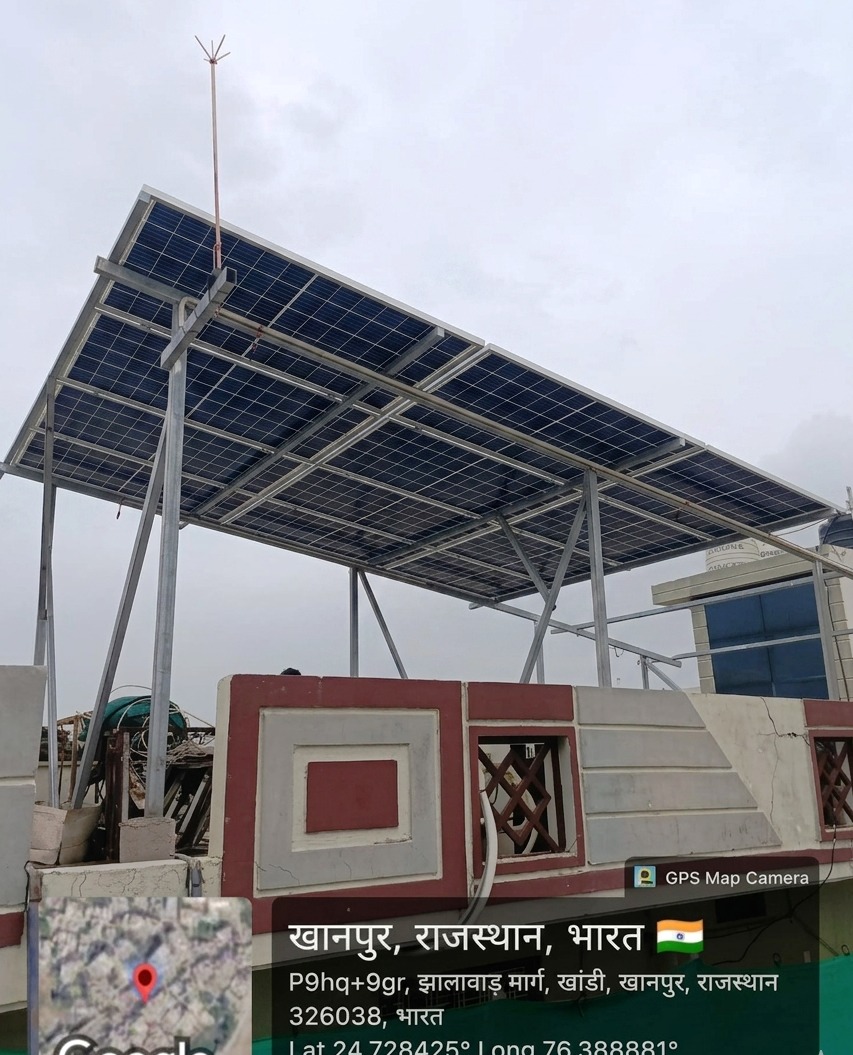
Rooftop solar systems are reliable, but like any electrical system, things occasionally go wrong. Most problems show up the same way — lower generation than usual — and many have simple causes. This guide covers the most common issues, what causes them, and what you can safely check yourself before calling a technician.
Safety first. Solar panels produce dangerous DC voltage whenever there is daylight, even if the grid is off. Never open distribution boxes, disconnect connectors or touch damaged cables yourself. Use the isolator switches to turn the system off, and call a qualified technician.
1. Lower generation than usual
Signs: your inverter app shows noticeably lower daily output on clear days.
Common causes:
- Dirty panels — dust, bird droppings or leaves
- New shade from a growing tree, new construction or a newly added water tank
- A fault in one string or panel
- Inverter faults or derating due to high temperature
What you can do:
- Compare output with a clear day from the same season last year — not a different season.
- Clean the panels safely. See our maintenance checklist.
- Check for new shade between 9 am and 4 pm.
- If output stays low after cleaning, call your installer to test each string.
2. Inverter showing an error or not switching on
Common causes:
- Grid voltage or frequency outside the allowed range
- A grid outage (on-grid inverters switch off by design)
- Earth fault or insulation fault in the DC wiring
- Overheating from poor ventilation or direct sun
- Tripped breaker or blown fuse
What you can do:
- Note the error code and look it up in the inverter manual or app.
- Check whether grid power is available in your home.
- Make sure the inverter area is ventilated and not in direct sun.
- If the error persists, turn the system off using the isolators and call your installer.
Note: if the grid is down, an on-grid inverter switching off is normal. Read What Happens to Solar Panels During Power Outages?
3. Frequent tripping of breakers
Common causes:
- Loose connections creating heat
- Undersized cables or wrongly rated breakers
- Earth leakage from damaged cable insulation
- Moisture inside distribution boxes
What you can do: do not keep resetting a breaker that trips repeatedly — it is signalling a fault. Leave it off and call a technician.
4. Hot spots and burnt connectors
Signs: brown discolouration on panels, burn marks on connectors, melted plastic or a burning smell.
Common causes:
- Persistent partial shade or dirt on part of a panel
- Mismatched MC4 connectors from different brands
- Poorly crimped or loose connections
- Cracked cells
What you can do: switch off the system immediately using the isolators and call your installer. Burnt connectors are a fire risk and must be replaced with matched components.
5. Cracked or damaged panels
Common causes: hail, falling objects, people walking on panels, or rough handling during cleaning or installation.
What you can do: do not touch a broken panel. Keep people off the roof, switch off the system and arrange a replacement. Check whether warranty or home insurance applies. See Solar Panel Warranty.
6. Net meter or billing problems
Signs: your bill does not show exported units, or the savings look lower than expected.
Common causes:
- Net meter not yet installed or not activated
- Meter reading errors
- Settlement rules you were not aware of
What you can do:
- Check that your bill shows both import and export readings.
- Compare the inverter's generation data with the meter's export reading.
- Contact your DISCOM with meter photos and bills. Your installer can help with the paperwork.
7. Monitoring app not showing data
Common causes: Wi-Fi password changed, router moved or replaced, weak signal at the inverter, or an expired data logger connection.
What you can do: reconnect the inverter's Wi-Fi module to your network using the app's setup steps, or move the router closer. This does not affect generation, only reporting.
8. Roof leaks near mounting points
Common causes: poor sealing of anchor points, damaged waterproofing, or cracked sheets on metal roofs.
What you can do: contact your installer. Sealing penetrations properly is part of workmanship, and delaying repairs damages the roof.
Preventing problems in the first place
- Choose a quality installer who uses matched connectors, proper earthing and galvanised structures.
- Check your generation data weekly.
- Clean panels regularly and safely.
- Book an annual inspection.
Most of these problems are caught early by simply watching your inverter app. When in doubt, contact us for a service check.
Frequently asked questions
Why is my solar panel generation suddenly low?
The most common causes are dirty panels, new shade, or a fault in a string or the inverter. Clean the panels first; if output is still low on clear days, have a technician test the system.
Why does my solar inverter keep switching off?
Frequent shutdowns usually point to grid voltage fluctuations, overheating or an earth fault. Note the error code shown and contact your installer if it keeps happening.
Is it safe to reset a tripped solar breaker?
Once, yes, if you know which breaker it is. If it trips again, leave it off and call a technician, because repeated tripping signals a fault.
Can I repair solar panel wiring myself?
No. Solar DC circuits carry high voltage in daylight and can cause serious shocks or fires. Any wiring work should be done by a qualified solar technician.