
Solar Panel Warranty: What's Covered and What's Not
Solar panel product and performance warranties, inverter warranties and installer workmanship cover: what they include, common exclusions and how to claim.
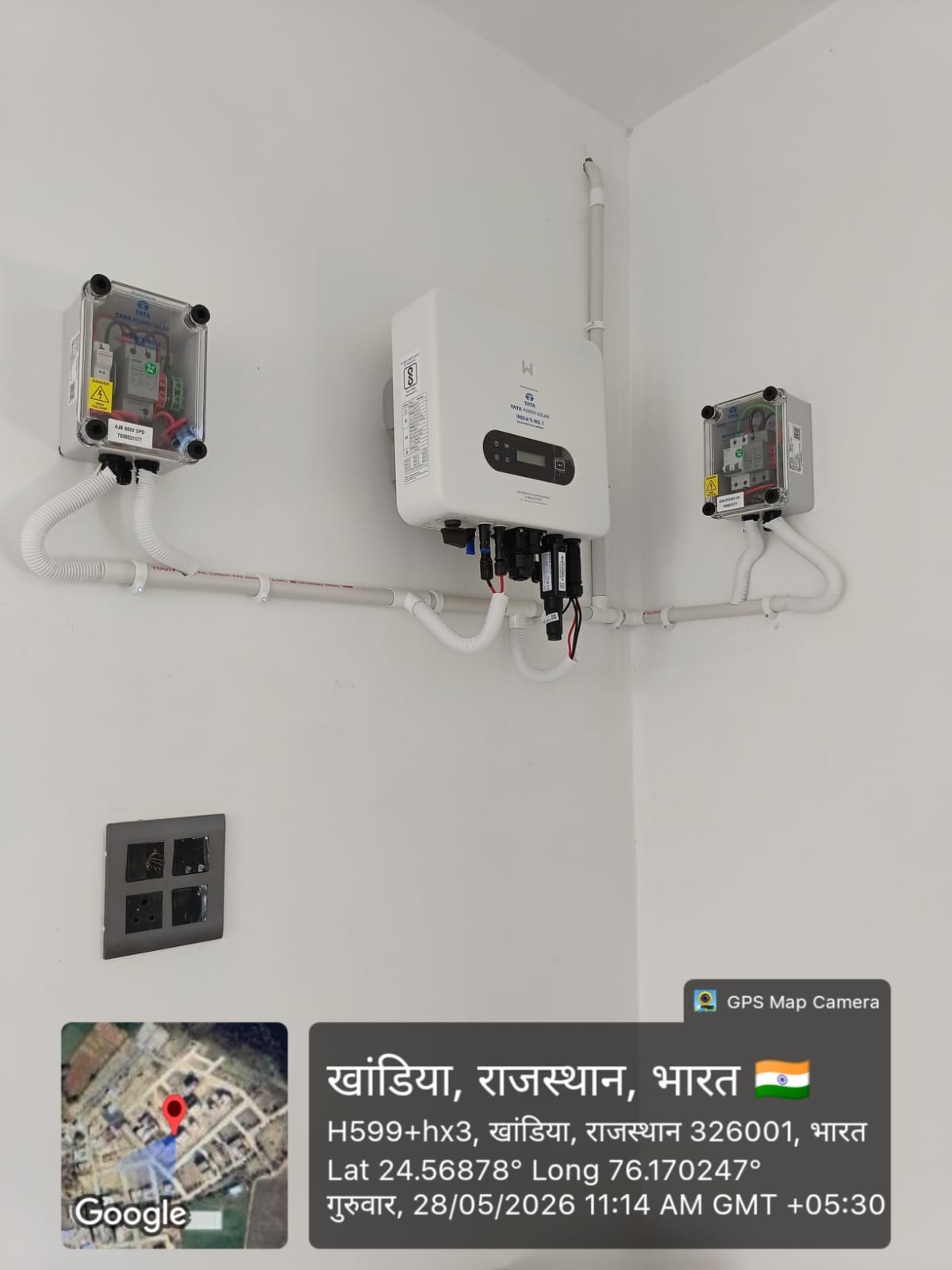
A rooftop solar system comes with several warranties, and they cover very different things. Many buyers only hear "25-year warranty" and assume everything is covered for 25 years. It is not. Understanding each warranty before you buy tells you what protection you really have.
The four warranties in a solar system
| Warranty | What it covers | Typical period |
|---|---|---|
| Panel product warranty | Manufacturing defects in the panel | 10–15 years |
| Panel performance warranty | Minimum power output over time | 25–30 years |
| Inverter warranty | Inverter defects and failure | 5–10 years, often extendable |
| Workmanship / installation | Installation quality and service | Varies by installer |
1. Panel product warranty
This covers defects in materials and manufacturing — for example, faulty junction boxes, frame defects, delamination or faulty cells that are not caused by damage or misuse.
If a panel fails because of a manufacturing defect within this period, the manufacturer repairs or replaces it.
2. Panel performance warranty
This is the "25-year" or "30-year" warranty you usually hear about. It does not mean the panel is guaranteed against all failure for that long. It guarantees the panel will still produce a minimum percentage of its rated power over time.
It usually comes in one of two forms:
- Linear warranty: output declines no faster than a fixed rate each year (commonly around 0.4–0.55% per year after year one).
- Step warranty: a guaranteed minimum at set points, such as about 90% at 10 years and 80% at 25 years.
Linear warranties give better protection because they guarantee output every year, not just at milestones. Premium panels now offer performance warranties of up to 30 years.
3. Inverter warranty
Inverters usually carry a standard warranty of 5 to 10 years, with paid extensions available on many brands. Since inverters are the component most likely to fail during a system's life, an extended warranty can be good value. See Solar Inverters Explained.
4. Workmanship and installation warranty
This covers problems caused by the installation itself — leaking roof penetrations, loose structure, faulty wiring or connectors. It is provided by your installer, not the manufacturer, and terms vary widely. Under the PM Surya Ghar scheme, registered vendors are expected to provide a period of maintenance support after installation — confirm exactly how long, and what it covers, in your agreement.
What warranties usually do not cover
- Physical damage from falling objects, people walking on panels, or rough cleaning
- Natural disasters such as lightning strikes, floods and storms — typically covered by home insurance, not warranty
- Improper installation or unauthorised modifications
- Damage from poor cleaning — abrasive tools, harsh chemicals or high-pressure washers
- Theft
- Normal wear within the allowed degradation rate
- Shade or dirt reducing output
How to claim a warranty
- Spot the problem — usually a drop in generation shown in your inverter app.
- Contact your installer first. They diagnose the fault and coordinate with the manufacturer.
- Provide documents: invoice, panel serial numbers, warranty card and generation data.
- Allow testing. Performance claims may require the panel's output to be tested.
Protect your warranty from day one
- Keep all documents in one place: invoice, serial numbers, warranty certificates and commissioning papers.
- Register products with manufacturers if required.
- Use certified installers and keep a record of the installation.
- Follow the recommended cleaning method. See our maintenance checklist.
- Do not modify the system without the installer's involvement.
- Consider home insurance that covers the solar system against natural disasters and theft.
Questions to ask before you buy
- What is the panel product warranty period?
- Is the performance warranty linear or step, and what are the guaranteed percentages?
- What is the inverter warranty, and can it be extended?
- What workmanship warranty does the installer provide, and for how long?
- Who handles warranty claims — the installer or the manufacturer?
- Does the brand have a service presence near you?
Frequently asked questions
Does a 25-year solar panel warranty cover everything?
No. It is usually a performance warranty guaranteeing minimum output over 25 years. Manufacturing defects are covered by a separate, shorter product warranty, and inverters and installation have their own warranties.
What is the difference between product and performance warranty?
A product warranty covers manufacturing defects in the panel itself. A performance warranty guarantees the panel will produce at least a set percentage of its rated power over a longer period.
Is lightning damage covered under solar warranty?
Usually not. Lightning and other natural disasters are typically excluded from manufacturer warranties. Proper earthing, a lightning arrester and home insurance are your protection.
Who do I contact for a warranty claim?
Contact your installer first. They can diagnose the problem, confirm whether it is a warranty issue, and handle the claim with the manufacturer.