
How Much Can You Save on Electricity Bills with Rooftop Solar?
See realistic monthly and yearly savings from rooftop solar for different bill sizes, how net metering affects them, and what limits how much you can save.
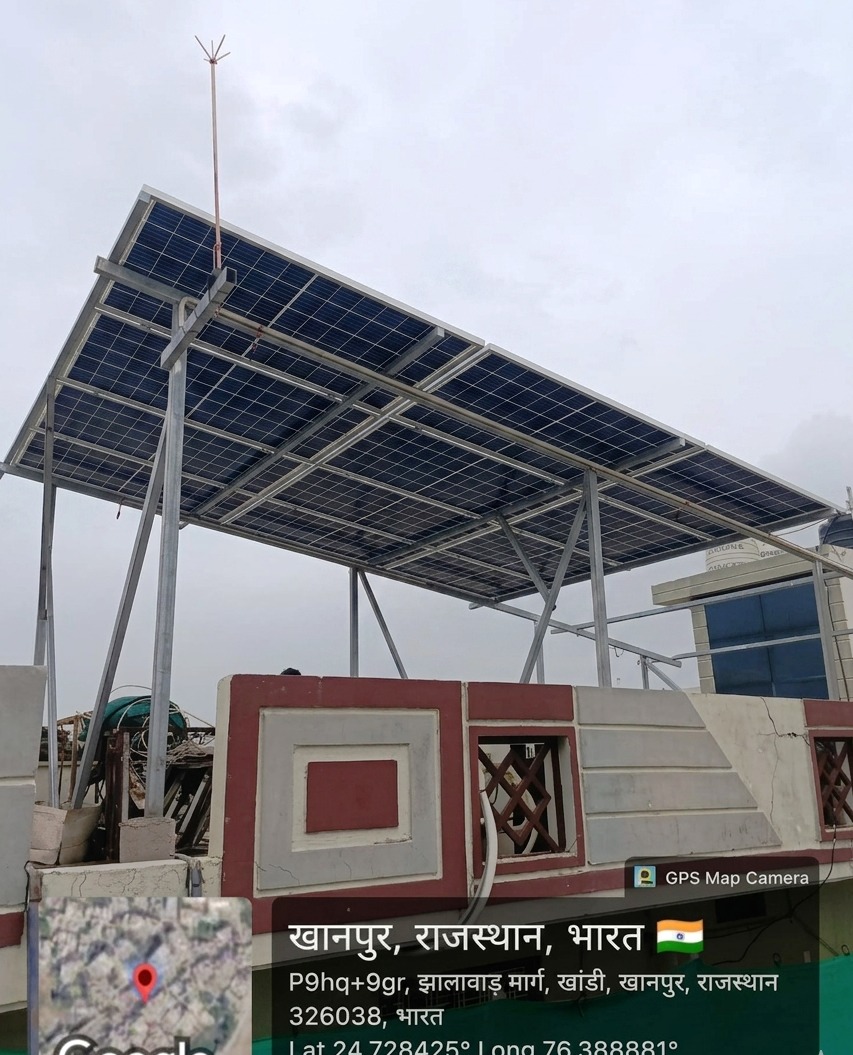
Most homeowners go solar for one reason: a smaller electricity bill. But "save up to 90%" claims mean little without real numbers. This guide shows how solar savings actually work, what a typical home saves at different bill sizes, and the factors that decide your final number.
How solar savings work
Your savings come from units you no longer buy from the grid. A rooftop system saves you money in two ways:
- Units you use directly. Solar power running your fans, fridge and pumps during the day replaces grid electricity.
- Units you export. Surplus power sent to the grid through your net meter offsets units you import at night.
Your bill after solar is roughly: (units imported − units exported) × tariff + fixed charges.
Fixed charges and meter rent stay on your bill even with solar, which is why savings are rarely a full 100%.
A simple way to estimate your savings
Use three numbers:
- Generation: about 130 units per kW per month for a shadow-free system
- Your tariff: the average rate per unit on your bill — around ₹7–8 is common for mid-range home consumption
- Your consumption: units per month from your bill
Monthly saving ≈ (lower of generation or consumption) × tariff
Solar only saves you money on units you would otherwise have bought, so generation beyond your consumption adds little.
Typical savings by bill size
Estimated at ₹7.5 per unit, ₹150 of fixed charges and 130 units per kW per month:
| Monthly bill | Suggested system | Approx. monthly saving | Approx. yearly saving |
|---|---|---|---|
| ₹1,000 | 1 kW | ₹850 | ₹10,200 |
| ₹2,000 | 2 kW | ₹1,850 | ₹22,200 |
| ₹3,500 | 3.5 kW | ₹3,350 | ₹40,200 |
| ₹6,000 | 6 kW | ₹5,800 | ₹69,600 |
These figures assume a properly sized, shadow-free system. Your own number depends on your tariff slab, roof and usage pattern. Enter your bill in our solar savings calculator for a personalised estimate.
Savings over the life of the system
Year-one savings are only part of the picture. A system lasts 25–30 years, so:
- A 3 kW system saving about ₹35,000 a year saves roughly ₹8–10 lakh over 25 years at today's tariffs.
- Electricity tariffs have historically risen over time. If they keep rising, your real savings grow each year.
- Panel output declines slowly — around 0.5% a year — which slightly reduces savings in later years. See Solar Panel Lifespan.
What limits your savings
- Shade. A partly shaded array can lose a large share of its output.
- Dust. Dirty panels in dry, dusty months can lose noticeable generation until cleaned.
- Undersizing. A system too small for your consumption leaves a bigger bill.
- Oversizing. Depending on your DISCOM's settlement rules, surplus units beyond your usage may earn little.
- Daytime vs night usage. Net metering smooths this out, but settlement terms vary by DISCOM.
- Fixed charges. These remain regardless of solar generation.
How to maximise your savings
- Size the system to your real annual consumption, plus realistic future loads.
- Shift heavy loads to daytime where you can — run washing machines, water pumps and irons while the sun is up.
- Keep panels clean, especially in dusty months.
- Check your inverter app weekly to catch any drop in generation early.
- Confirm your net metering is active and your bills reflect exported units.
Want to know when the system pays for itself? Read Solar Panel ROI: When Do They Pay for Themselves?
Frequently asked questions
Can rooftop solar make my electricity bill zero?
It can come close, but fixed charges and meter rent usually remain. A well-sized system typically cuts the energy portion of your bill by 80–95%.
How much does a 3 kW solar system save per month?
A shadow-free 3 kW system generates around 390 units a month. At about ₹7.5 per unit, that is roughly ₹2,900 a month, provided your consumption is at least that high.
Do I save money in the monsoon?
Yes, though less. Generation drops on overcast days, but panels still produce electricity from diffuse light, and net metering helps balance lower months against sunnier ones.
Will my savings drop over time?
Only slightly. Panels lose about 0.5% of output a year, but rising electricity tariffs have historically more than offset that decline.