
Solar Panel Lifespan: How Long Do They Actually Last?
Solar panels last 25–30 years or more, but inverters, batteries and structures age differently. Real lifespans, degradation rates and how to make it last.
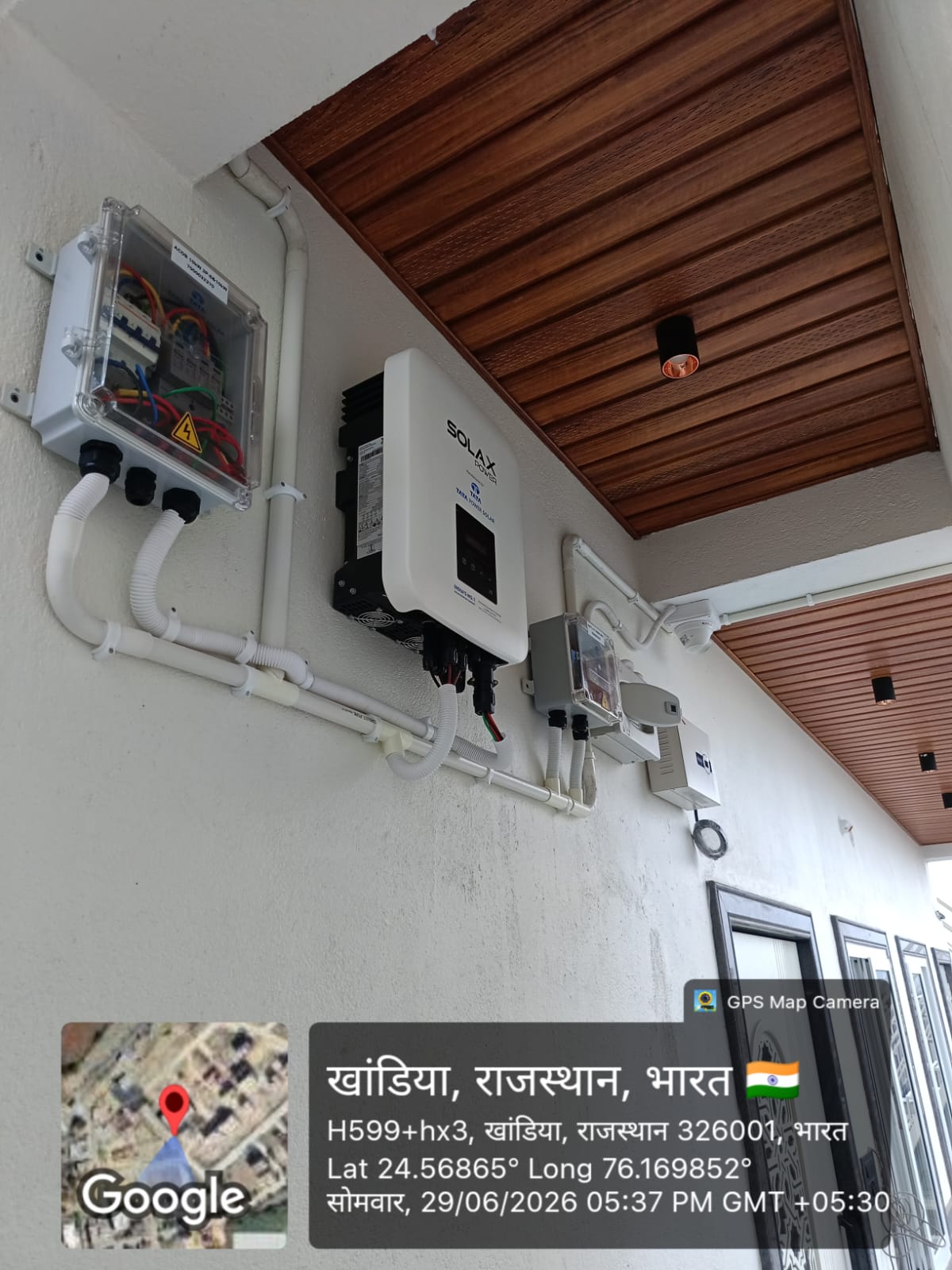
A rooftop solar system is a long-term investment, so it is fair to ask how long it will actually keep working. The short answer: good panels keep producing for 25 to 30 years and often longer. But a system is more than panels, and each component ages at its own pace. Here is what to expect and how to get the full life out of your investment.
Solar panels: 25–30 years and beyond
Solar panels have no moving parts, which is why they last so long. They do not suddenly stop working at 25 years. Instead, their output declines slowly and predictably — a process called degradation.
- Quality monocrystalline panels typically lose about 0.4–0.5% of output per year after the first year.
- The first year usually sees a slightly larger drop, often 1–2%, as the cells stabilise.
- After 25 years, a good panel still produces roughly 85–88% of its original rated power.
Premium panels now carry performance warranties of 25 to 30 years, guaranteeing a minimum output level over that period. See Solar Panel Warranty: What's Covered for how those guarantees work.
How long each component lasts
| Component | Typical lifespan | What to expect |
|---|---|---|
| Solar panels | 25–30+ years | Slow, gradual output decline |
| Mounting structure (hot-dip galvanised) | 25+ years | Lasts the panel life if properly coated |
| String inverter | 10–15 years | Usually replaced once during system life |
| Microinverters | 20–25 years | Longer life, higher upfront cost |
| Lithium-ion battery | 10–15 years | Depends on cycles and heat |
| Lead-acid battery | 3–5 years | Frequent replacement, rare in new systems |
| Solar DC cables | 25+ years | If UV-rated and properly routed |
The inverter is the component most likely to need replacement. Budget for one inverter change over a 25-year system life, and it will not come as a surprise.
What shortens a system's life
Most early failures trace back to installation quality, not the panels:
- Weak or poorly coated structures that rust, loosen in storms or let panels flex.
- Hot spots caused by persistent shading or heavy dirt on part of a panel, which can damage cells over time.
- Mismatched or cheap connectors that corrode, heat up and fail — a common cause of fires in low-cost installations.
- Poor earthing and no lightning protection on exposed rooftops.
- Micro-cracks from people walking on panels during cleaning or from rough handling during installation.
- Inverters mounted in direct sun or unventilated spaces, which shortens electronics life.
How to make your system last
- Choose installation quality over the lowest price. A galvanised structure, proper earthing, a lightning arrester and matched connectors cost a little more but protect the whole system.
- Keep panels clean. Dust reduces output and uneven dirt can create hot spots. Our maintenance checklist covers safe cleaning.
- Never walk on panels. Use a long-handled soft brush from the side.
- Mount the inverter in shade with airflow around it.
- Watch your generation data. A sudden drop in your inverter app is the earliest sign of a problem.
- Get an annual inspection of connections, earthing and the structure.
What happens at the end of a panel's life
After 25–30 years, panels are rarely useless — they simply produce less. Many owners keep them running, or replace them with newer, more efficient panels on the same structure to get more power from the same roof. Panels at true end of life should go to an e-waste recycler, since glass, aluminium and silicon can be recovered.
Frequently asked questions
Do solar panels stop working after 25 years?
No. The 25-year figure refers to the performance warranty period, not the end of life. Well-made panels keep producing electricity for years afterwards, typically at around 80–88% of their original output.
Will I need to replace the inverter?
Probably once. String inverters usually last 10–15 years, so over a 25-year system life you should expect one replacement. Check the inverter warranty, which is often 5–10 years with optional extensions.
How much output will my panels lose each year?
Quality panels typically lose about 0.4–0.5% per year after an initial first-year drop of 1–2%. The performance warranty on the datasheet guarantees the maximum allowed degradation.
Does heat reduce solar panel lifespan?
High temperatures reduce output while panels are hot and can speed up ageing slightly. Choosing panels with a good temperature coefficient and mounting them with airflow underneath keeps both output and lifespan healthy.