
Rooftop Solar for Kota, Baran, Jhalawar and Bundi Homes: Sunlight, Rules and Incentives
A local guide to rooftop solar in the Hadoti region — sunlight and generation, net metering with your DISCOM, subsidies, system sizing, costs and seasonal tips.
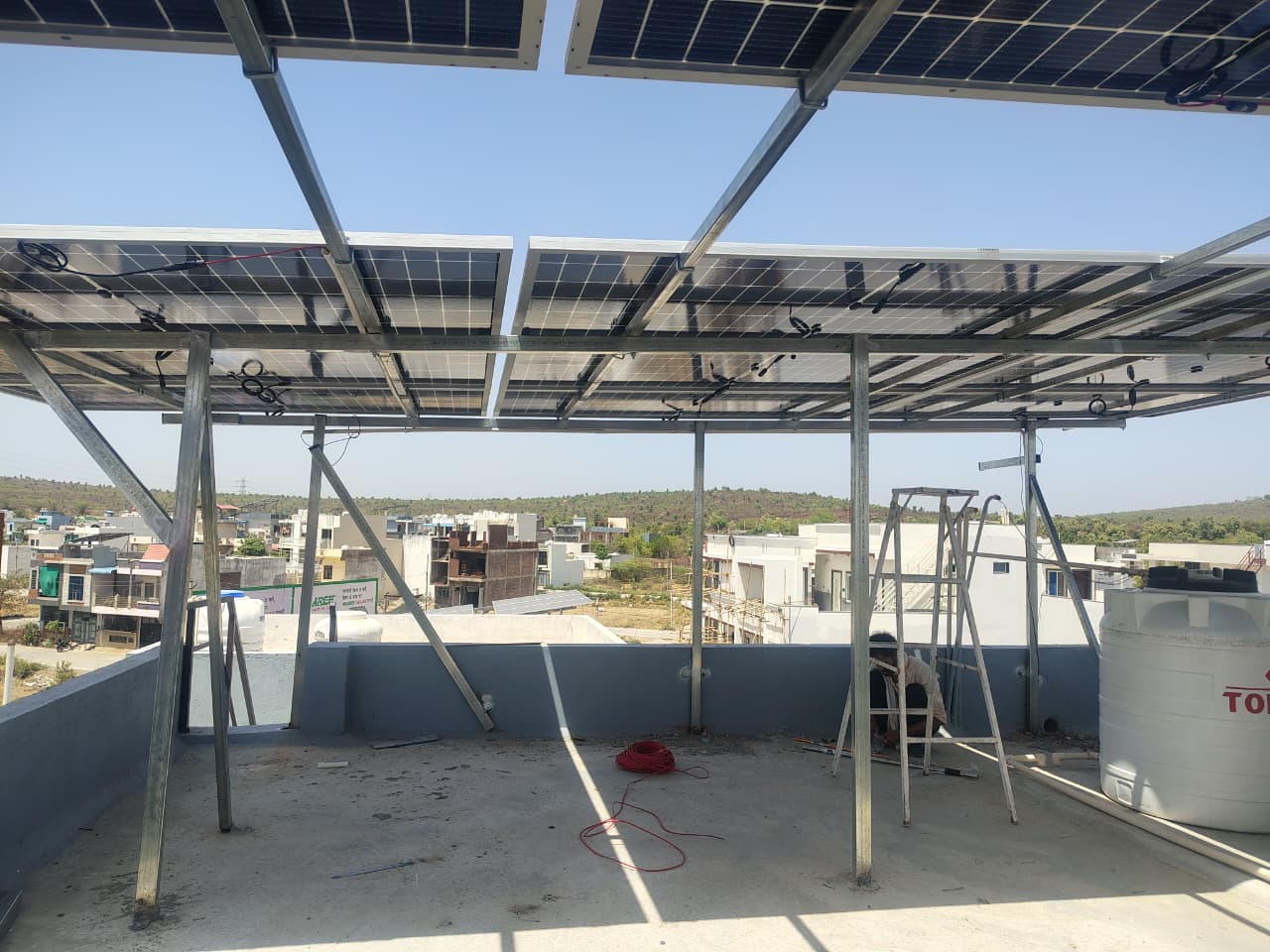
The Hadoti region — Kota, Baran, Jhalawar and Bundi — is one of the better places to put solar panels on a roof. Strong sunshine for most of the year, rising electricity costs and generous subsidies make the numbers work well for homes, shops and farms. This guide brings together what matters locally: sunlight, rules, incentives and practical tips.
How much sunshine does the Hadoti region get?
Rajasthan receives some of the strongest solar radiation in the country, with a long dry season and many clear-sky days. Hadoti shares that advantage, with one local difference: it gets more monsoon rain than western Rajasthan, so July to September sees more cloudy days.
What this means for a rooftop system:
- October to June: strong, reliable generation for most of these months.
- Peak summer: high sunlight, though very hot panels lose a little efficiency.
- Monsoon: lower output on overcast days, balanced across the year through net metering.
A shadow-free system here can be expected to generate roughly 4–5 units per kW per day averaged across the year. For planning, we use a conservative 4.3 units per kW per day in our savings calculator.
Estimated generation for local homes
| System size | Units per month (approx.) | Suits monthly consumption of |
|---|---|---|
| 1 kW | ~130 | 100–150 units |
| 2 kW | ~260 | 200–275 units |
| 3 kW | ~390 | 325–425 units |
| 5 kW | ~650 | 550–700 units |
Your DISCOM and net metering
Most of the Kota division, including Baran, Jhalawar and Bundi districts, is served by Jaipur Vidyut Vitran Nigam Limited (JVVNL). The name of your electricity distribution company is printed on your bill — confirm it before applying.
Your DISCOM handles:
- Technical feasibility approval for your rooftop system
- Net meter installation, replacing your existing meter with a bi-directional one
- Inspection of the installed system before commissioning
Settlement rules, such as how exported units are credited and over what period, are set by state regulations and can change. A local installer should explain the current rules for your connection.
Subsidies available
For homes, the PM Surya Ghar Muft Bijli Yojana central subsidy is:
- ₹30,000 per kW for the first 2 kW
- ₹18,000 for the third kW
- Capped at ₹78,000 for 3 kW and above
Rajasthan residents may be eligible for an additional state top-up — ₹17,000 at the time of writing. Confirm current eligibility during your survey. Full details are in our subsidy guide.
What a typical local system costs
| System size | Before subsidy | After central subsidy |
|---|---|---|
| 1 kW | ~₹70,000 | ~₹40,000 |
| 3 kW | ~₹1,95,000 | ~₹1,17,000 |
| 5 kW | ~₹2,75,000 | ~₹1,97,000 |
These are indicative figures for quality systems with DCR panels. See the full 2026 price breakdown.
Local conditions to plan for
Dust. Dry months, especially before the monsoon, bring dust that settles on panels. Plan regular cleaning — every one to two weeks in dusty spells. See our maintenance checklist.
Heat. Summer rooftop temperatures are very high. Choose panels with a good temperature coefficient, raise the structure for airflow, and mount the inverter in shade.
Storms and lightning. Pre-monsoon storms can be strong. A wind-rated galvanised structure, proper earthing and a lightning arrester are essential, not optional.
Crowded rooftops. Many town houses have water tanks and stairwell rooms that cast shadows. An elevated structure often solves this. See Best Roof Types for Solar.
Solar for farms and businesses
- Agriculture: solar water pumps can replace diesel pumps and reduce running costs on farms across the region.
- Shops and showrooms: high daytime use matches solar generation well, giving fast payback.
- Industrial units: larger systems on factory sheds cut high electricity costs; commercial systems follow different rules from home subsidies.
Getting started
- Collect 6–12 months of electricity bills.
- Estimate your system size with our calculator.
- Book a site survey to check shade, roof and wiring.
- Compare itemised quotes from registered local vendors — see What to Look For in a Solar Installer.
- Apply for the subsidy before installation.
Gajendra Trading Company is based in Atru, Baran, and our own engineers install and service rooftop solar across Kota, Baran, Jhalawar and Bundi. Book a free site survey.
Frequently asked questions
Is rooftop solar worth it in Kota and Baran?
Yes, for most homes with a suitable roof. Strong sunshine for most of the year, rising tariffs and the PM Surya Ghar subsidy typically give a payback of around 3–4 years on a subsidised home system.
How much electricity does a 3 kW solar system generate in Hadoti?
Roughly 360–450 units a month on average, depending on shade, season and cleaning. We plan conservatively with about 390 units a month.
Does the monsoon affect solar output in Jhalawar and Bundi?
Yes, cloudy days during July to September lower generation. However, strong output for the rest of the year and net metering balance the annual total.
How long does net meter installation take with JVVNL?
It varies with DISCOM workload and paperwork completeness. The full approval and net meter process usually takes a few weeks. A local installer who knows the process can help avoid delays.